Pressure washing can be safe for plants when it is done with care. The key is how the water is applied, how much pressure is used and how the runoff is managed. Preparation matters just as much as the wash itself, especially around gardens, lawns and shrubs.
Why Plants Get Hurt During Washing
Plants do not usually suffer from water alone. The trouble comes from high pressure that bends stems, strips leaves and pushes soil away from roots. Strong cleaners can also leave residue that burns foliage or stains grass. Knowing these risks helps you plan the job.
Runoff is another concern. Dirty water can carry dirt, algae, oils and cleaning products into beds and lawns. Once that water soaks in, it can stress the plants nearby. A careful crew keeps the spray pattern and the drainage path in mind from the start.
Soft Washing Versus High Pressure
Soft washing uses low pressure and a cleaning solution to remove dirt, mold and algae. It is often the better choice for roofs, siding, stucco and areas with many plants. Pressure washing with a strong jet can work well on hard surfaces like driveways and patios. The right method depends on the surface and what is growing around it.
Ask which method will be used before the job starts. A good provider will explain why that approach fits your home. Plants near the work area should be protected no matter which method is chosen.
Prepare the Landscape Before the Crew Arrives
Preparation protects your yard. Walk the area and look for anything that needs extra care. Note flower beds, potted plants, young shrubs and herb gardens. Tell the crew about any plant you are worried about so they can plan around it.
- Water the plants a day early. Moist soil and leaves handle rinse water better than dry, stressed ones.
- Move potted plants and pets' bowls. Set containers in a shaded spot away from the work zone.
- Cover delicate plants. Use breathable cloth or plastic sheeting, and remove it promptly after the job.
- Close windows and vents. This keeps water and cleaning products out of the home.
- Clear toys, hoses and furniture. Clutter makes it harder to rinse the area evenly.
Pre-Wetting and Rinsing Matter
Pre-wetting means spraying the plants and surrounding soil with plain water before any cleaning solution goes on. This dilutes any product that lands on leaves and makes the plants less likely to absorb it. It also cools the surface and helps the solution work evenly.
After the cleaning step, rinse the plants thoroughly with clean water. Work from the bottom up on walls and from the top down on plants, so residue does not sit on the foliage. A thorough rinse protects grass and shrubs and keeps spots from forming.
Managing Runoff and Drainage
Think about where the water will go. Runoff that flows across a lawn or into a bed can carry grime and chemicals. Good crews direct the spray away from garden beds and toward hard surfaces where possible. They also keep the flow short so the water does not pool.
Check the drainage around your home. Low spots and clogged gutters can send water into planting areas. Clean them before the job so the runoff has a clear path away from the landscaping.
Pets, Kids and Outdoor Living Spaces
Pets and children should stay clear of the work zone while the crew is active. Keep dogs and cats indoors or in a separate area. Cleaning products should be fully rinsed before anyone walks on the surface again. Pool areas, play sets and outdoor furniture should also be covered or moved.
Ask how long the surface should wait before people or pets return. Drying time varies by material and weather, so a clear answer helps you plan the day.
Pavers, Concrete and Soft Surfaces
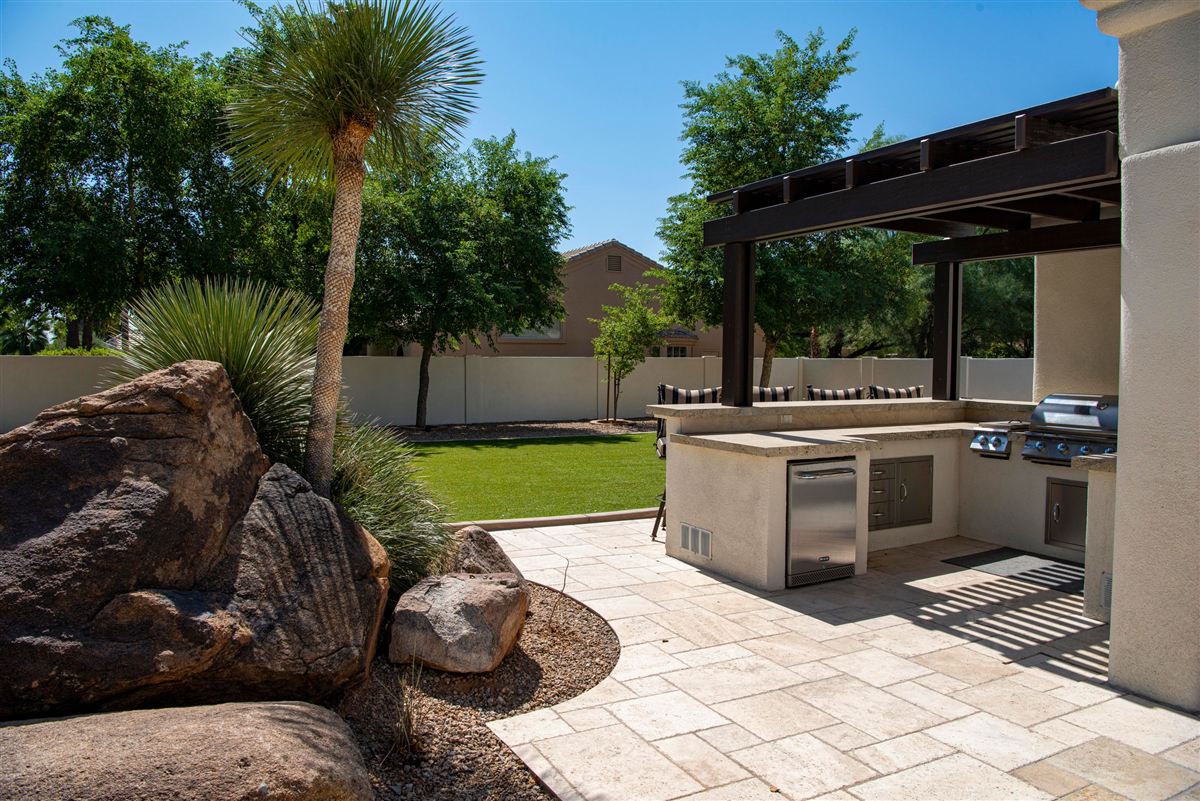
Hardscape surfaces need different care. Paver patios can shed sand when the spray is too strong. Concrete driveways can show marks from a jet held too close. Grass and mulch beds can wash away if the pressure is high. A careful technician adjusts the approach for each surface.
Sealing pavers after cleaning can help them resist future stains. Talk with your provider about whether sealing fits your patio and how soon it can happen after the wash.
Roofs, Stucco and Delicate Siding
Roofs and stucco need gentle methods. High pressure can damage shingles, tiles and the finish on stucco. Soft washing uses a low-pressure solution to clean these surfaces. Plants near the house should be protected before any roof work starts, since the solution can drift onto leaves.
Ask the crew how they protect the landscaping during roof and wall cleaning. A good plan includes pre-wetting, covering and a full rinse once the work is done.
Signs of Plant Stress After a Wash
Most plants recover well after a careful job. Still, watch for changes over the next week or two. Brown leaf tips, wilting or yellow spots can point to residue or water damage. Rinse the affected plants again with clean water, and give them time to recover.
If you see damage that does not improve, reach out to your provider. A quick conversation can help identify the cause and the next steps.
What a Careful Crew Looks Like
A careful crew walks the property before starting. They ask about plants, pets and sensitive areas. They set up protection, pre-wet the landscape and choose the right pressure for each surface. They rinse thoroughly and check the results before leaving.
Communication matters too. Good crews explain each step and answer questions in plain language. You should feel comfortable asking what they plan to do near your garden.
Planning for Port St. Lucie and St. Lucie County
Homes in Port St. Lucie, Tradition, St. Lucie West and Fort Pierce often have lush landscaping, screened lanais and paver patios. Those features need thoughtful planning. Stuart, Palm City and Jensen Beach homes may face similar concerns. A local crew understands the common surfaces and plants in these neighborhoods.
Our team serves Port St. Lucie and St. Lucie County. If you want to learn more about the difference between methods, read our guide to soft washing versus pressure washing.
Next Steps Before Your Next Wash
Start by walking your yard. Note the plants you want to protect and the surfaces you plan to clean. Decide where the water should go and what should be moved. Then ask a provider how they will protect the landscaping during the job.
Our house washing service uses methods that fit each surface and plan around your plants. We take the time to walk the property with you before work begins.
Call JB Powerwash Services at 954-652-9551 to request your free estimate. We will talk through your plants, surfaces and goals so the wash goes smoothly.
Frequently Asked Questions
Will pressure washing kill my plants?
It can if the pressure is too high or the cleaner is strong and not rinsed off. Pre-wetting, covering delicate plants and rinsing thoroughly lower the risk.
Should I cover my plants before washing?
Yes, for delicate or young plants. Use breathable cloth or plastic sheeting, and remove it promptly after the job so the plants do not overheat.
Is soft washing safer for landscaping?
Soft washing uses low pressure and a cleaning solution, which often suits roofs, stucco and areas with many plants. The right method still depends on the surface and what is growing nearby.
How long should I wait before letting pets outside?
Ask your provider. Drying and rinsing times vary by surface and weather, so a clear answer helps you plan the day.