“Pressure washing” gets used as a catch-all term for exterior cleaning, but it’s really two different methods, and using the wrong one on the wrong surface can do more harm than good. Soft washing and pressure washing solve different problems, and knowing which one applies to which part of a home saves both the surface and the finish. Here’s how the two compare, surface by surface.
The Core Difference
Pressure washing uses high water pressure to physically blast dirt, grime, and buildup off a hard surface. Soft washing uses low water pressure combined with a cleaning solution that breaks down organic growth — algae, mold, mildew, lichen — at the surface level, then rinses it away with minimal force. Pressure washing relies on force; soft washing relies on chemistry. Neither method is universally “better” — each one is built for a different kind of surface and a different kind of buildup.
Roofs: Soft Wash, Almost Always
Shingles and tile are layered, textured materials that aren’t built to withstand direct high-pressure water. Pressure washing a roof risks stripping shingle granules, dislodging tile, and forcing water up under the roofing material where it doesn’t belong. The dark streaking common on Florida roofs is typically algae growth, which a soft wash treatment is specifically formulated to break down without putting the roofing material at risk. For more on that, see our post on soft wash roof cleaning.
Siding and Exterior Walls: Soft Wash
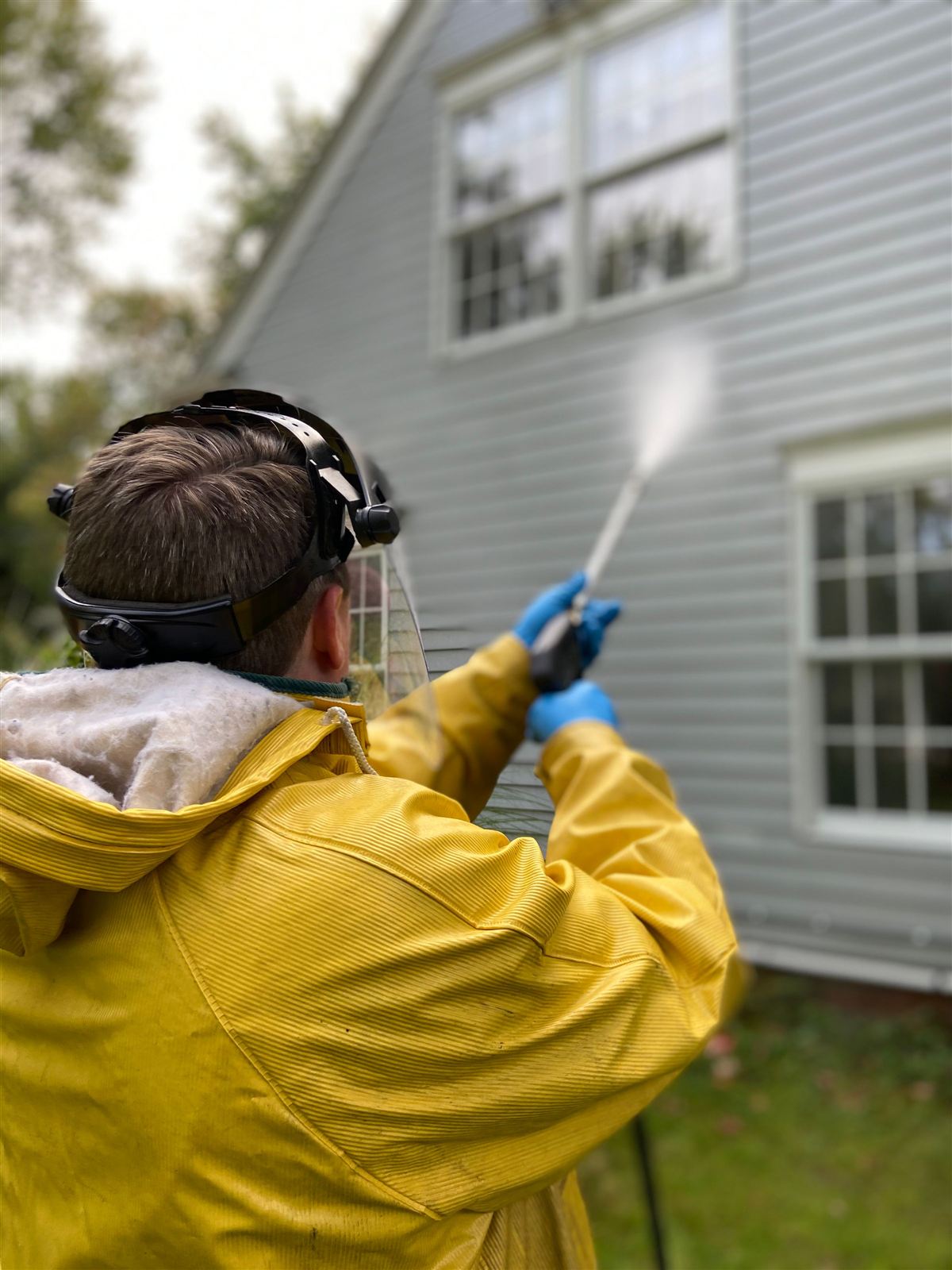
Vinyl, stucco, and painted siding can all be damaged by high-pressure water — it can force water behind siding panels, strip paint, or etch stucco. Soft washing is the safer, more effective approach for exterior walls because it targets mold, mildew, and algae directly at the surface without driving water into seams and gaps where it can cause hidden problems down the line. It also tends to leave the exterior cleaner for longer, since the treatment addresses the organic growth rather than just knocking loose surface dirt off.
Driveways and Concrete: Pressure Washing
Concrete, on the other hand, is exactly the kind of dense, durable, non-porous-at-the-surface material that high pressure is built for. Driveways, walkways, and garage floors accumulate oil stains, tire marks, and ground-in dirt that need real mechanical force to lift, and concrete can generally take that force without damage. This is where a standard pressure wash does its best work — deep-cleaning a hard surface that isn’t going to crack, strip, or peel under pressure.
Pavers: A Careful Middle Ground
Pavers are a bit of a special case. The pavers themselves can generally handle moderate pressure, but the sand or polymeric jointing material between them can wash out if the pressure is too aggressive or aimed incorrectly. Cleaning pavers well means using enough pressure to lift dirt and staining while protecting the joints — and if the pavers are sealed, or about to be, the cleaning step has to be done right before sealing to avoid trapping dirt underneath the sealer. We cover that in more detail in our post on paver sealing.
Why the Method Matters
Using pressure washing where soft washing belongs — or the reverse — is one of the most common ways an exterior cleaning job goes wrong. A roof pressure-washed like a driveway can lose years of service life. A driveway soft-washed like a roof won’t actually lift the ground-in staining it needs to. Matching the method to the surface is what actually gets the result homeowners are looking for, without creating a new problem in the process.
Fences, Decks, and Outdoor Furniture
Wood, composite, and vinyl fencing generally fall on the soft-wash side of the equation, especially wood, which can splinter, gouge, or have its grain torn up by high-pressure water. Composite decking can also be damaged by aggressive pressure, leaving streaks or texture changes that don’t go away. Vinyl fencing tends to hold up a bit better under moderate pressure than wood, but soft washing is still the lower-risk choice when algae or mildew is the main concern rather than heavy ground-in dirt.
Why Getting It Backwards Costs More in the Long Run
The appeal of pressure washing everything is that it feels faster and more thorough in the moment. The problem shows up later — stripped shingle granules mean a roof ages faster than it should, etched stucco or peeling paint means a repaint job moves up the calendar, and blown-out paver joints mean the sand has to be replaced before the pavers can be sealed properly. Matching the method to the material the first time around avoids creating a second problem while solving the first one.
Not Sure Which Your Project Needs?
Most homes end up needing a mix of both methods across different surfaces — soft wash for the roof and siding, pressure wash for the driveway and walkways. JB Powerwash Services handles house washing and pressure washing for homes across Port St. Lucie and St. Lucie County, and can walk through which method fits which part of your property.