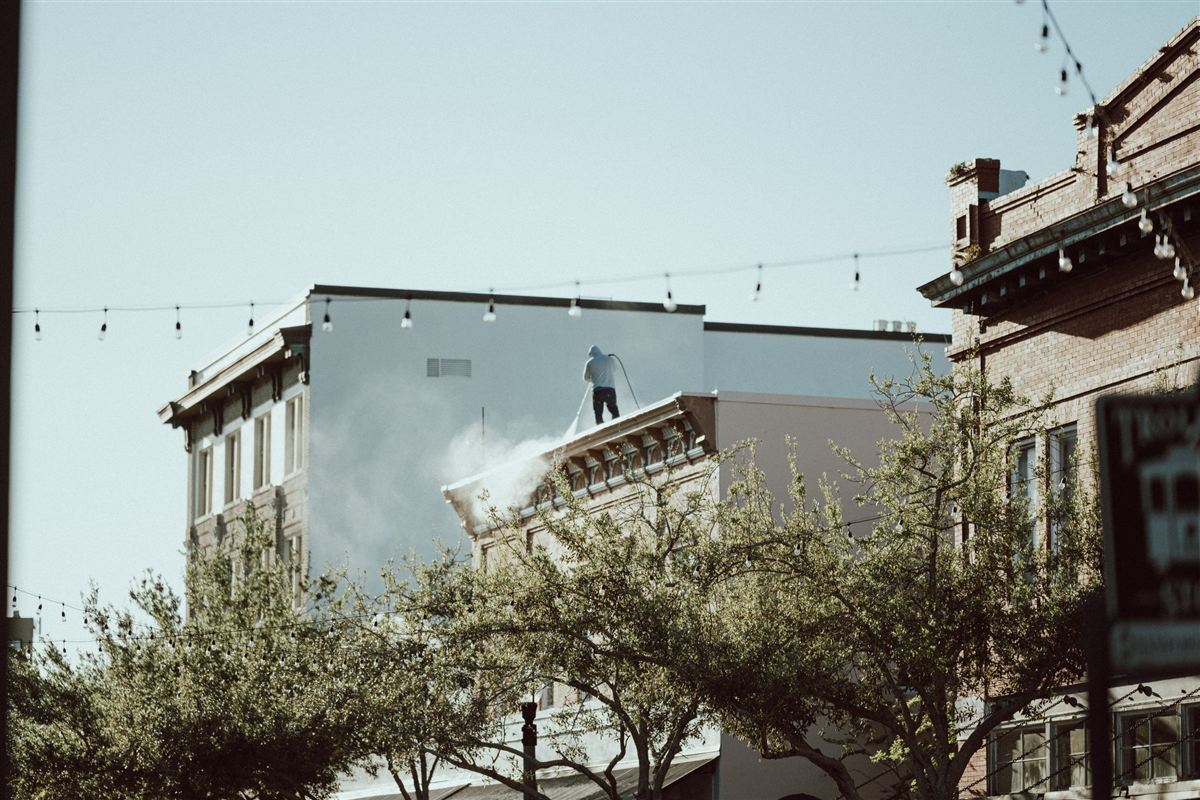
Moss and lichen can take hold on tile roofs in Port St. Lucie and across St. Lucie County. Florida's humidity, shade and rain give them what they need to grow. The safest way to clean them is with gentle soft washing, not high-pressure blasting, because strong pressure can crack tiles and push water under the roof.
Why Moss and Lichen Grow on Tile
Moss and lichen are living growth. They need moisture, shade and a surface they can grip. Tile roofs have plenty of tiny textures where spores can settle. In a humid climate, those spots can stay damp for long stretches, especially under trees or on shaded slopes.
Lichen often looks like flat gray or greenish patches that spread across the tile. Moss looks more like a fuzzy green or dark mat. Both can hold water against the tile and make it harder for the roof to dry. Left alone, they can work into gaps and cause problems over time.
Why High Pressure Can Cause Damage
Many people reach for a pressure washer first. That is the wrong tool for a tile roof. Concentrated water can chip the glaze on tiles, loosen mortar or underlayment and force water under the tile where it can reach the decking. A roof that looks clean can still be damaged underneath.
Pressure also strips away the protective surface that helps tile shed water. Once that surface is gone, the tile can soak up more moisture, which can feed the next round of growth. Gentle cleaning protects the roof and helps it last longer.
What Soft Washing Does Differently
Soft washing uses low pressure and a cleaning solution made for roofs and delicate surfaces. The solution works on the moss and lichen, so the water does not have to blast it off. Crews also rinse surrounding areas to protect plants, siding and landscaping. The goal is clean tile without stress on the roof.
Our team uses soft washing for roofs and other delicate surfaces. Because the process is gentler, it suits many home exteriors and tile types. Ask the crew to explain each step before they start, so you know what will be used around your home.
Plants, Pets and Surfaces Below
Roof cleaning affects more than the roof. Run-off can reach plants, lawns, gutters and walkways. Ask the crew how they will protect landscaping, pool cages, vehicles and pets. Good preparation includes covering sensitive plants and rinsing nearby areas after the work is done.
Keep pets and children inside during the work, and ask where the crew will set up equipment. Clear communication keeps the job safe for everyone and avoids surprises.
What to Ask Before Any Roof Cleaning
- Will you use low pressure or soft washing on tile?
- What cleaning solution do you use, and how will you protect plants?
- How will you check the tiles for cracks or loose pieces before cleaning?
- Will you rinse the roof and nearby surfaces when you finish?
- Do you offer a free estimate before the work begins?
Pay attention to how the company answers. Clear, plain answers are a good sign. Vague answers or a promise to blast the roof clean are a reason to pause and ask more questions.
Signs a Roof Needs Attention Before Cleaning
Some roofs need repairs before they are cleaned. Look for cracked or broken tiles, loose ridge caps and areas where tiles have slipped. If a roof has soft spots or active leaks, address those first. Cleaning cannot fix damage, and a gentle wash is safest once the roof is sound.
Also watch for black streaks, which can come from algae rather than moss. A crew can check whether soft washing is a fit for streaks or staining before recommending a plan. For a deeper look at this topic, see our post on soft wash roof cleaning in Port St. Lucie.
Keeping Your Roof Cleaner Longer
Moss and lichen return when conditions stay damp. Trim back branches that shade the roof, since sunlight dries the surface faster. Clear leaves and debris from valleys and gutters so water can flow away. These steps help slow regrowth between cleanings.
Plan cleanings around the seasons when growth is heaviest. Many homeowners schedule a check once a year and adjust based on what they see. A simple routine keeps the roof in better shape and reduces the need for heavy work later. After each cleaning, walk the yard and look up at the roof from the ground once a month. Early signs, such as a new green tint along a ridge, are easier to handle with a gentle wash than a long buildup.
Our Approach in Port St. Lucie
JB Powerwash Services serves Port St. Lucie and St. Lucie County, including Tradition, St. Lucie West, Fort Pierce, Stuart, Palm City and Jensen Beach. We offer roof soft washing, house washing, driveway and concrete cleaning, paver cleaning and sealing, pool cage cleaning and commercial pressure washing. If you want a roof cleaned the safe way, our roof cleaning services page explains how we work.
Ready to talk about moss or lichen on your tile roof? Call JB Powerwash Services at 954-652-9551 to ask about a free estimate. We will look at your roof, explain the safest approach and answer your questions before any work starts.
Frequently Asked Questions
Is moss on a tile roof a problem?
It can be. Moss and lichen hold moisture against the tile and can work into gaps over time. Regular, gentle cleaning helps keep the roof in better shape and slows regrowth.
Why shouldn't I use a pressure washer on my tile roof?
High pressure can chip tile glaze, loosen mortar or underlayment and push water under the tiles. A roof can look clean while it is damaged underneath. Soft washing with low pressure is a gentler choice for tile.
What is soft washing?
Soft washing uses low pressure and a cleaning solution made for roofs and delicate surfaces. The solution does most of the work, so the water does not have to blast growth off. Crews also protect nearby plants and surfaces.
What should I ask a roof cleaning company first?
Ask whether they use low pressure on tile, what solution they use, and how they will protect plants and pets. Ask how they will check for cracked or loose tiles before starting. Clear answers are a good sign.