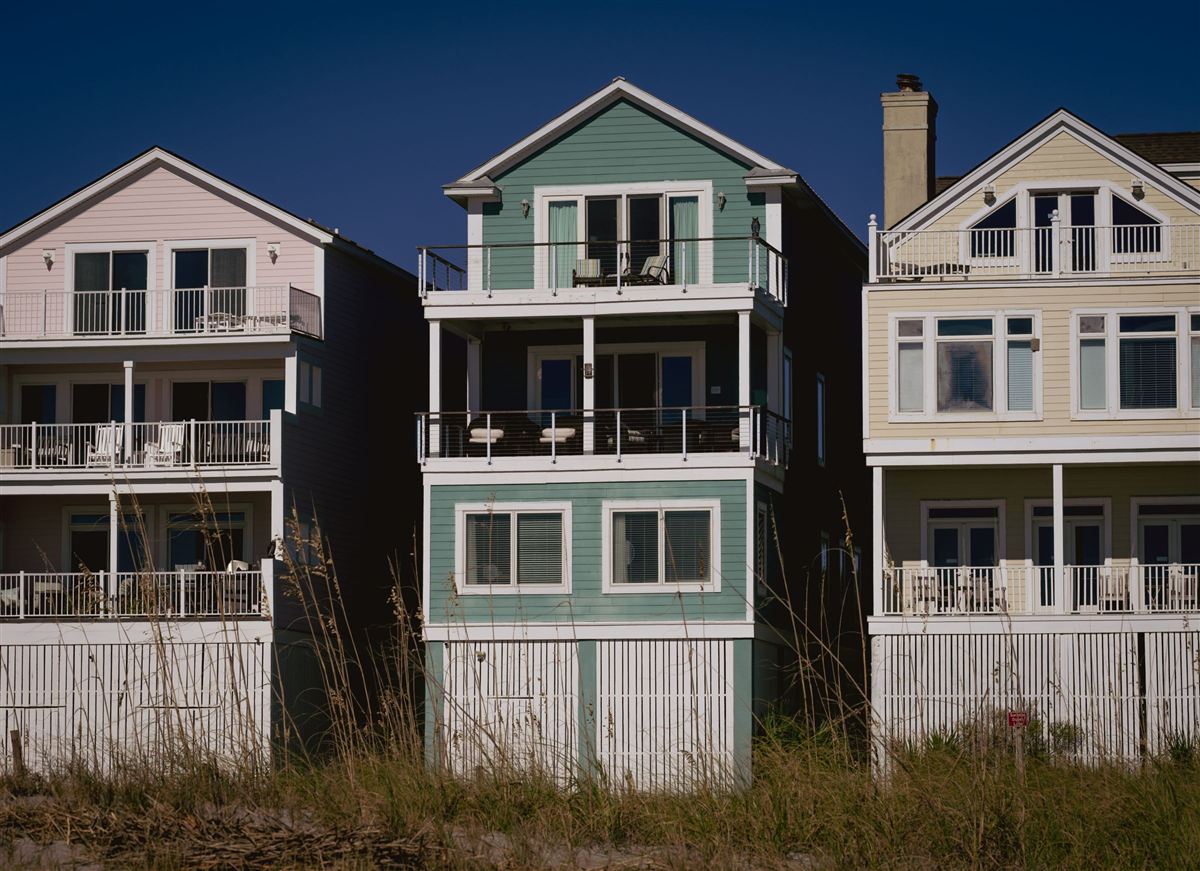
Salt air can leave a thin film on windows, screens, metal parts and painted surfaces. In Fort Pierce, that film builds up faster when homes sit close to the Indian River or the beach. Regular gentle cleaning and rinsing keeps the buildup from settling in and helps your home look its best.
Why Salt Air Is Hard on Coastal Homes
Salt is carried on the breeze. It drifts inland and lands on every surface it touches. Over time, it mixes with dust and pollen to form a grayish film. That film can dull glass, cloud screens and make metal look tired. Many homeowners notice the buildup first on the side of the house that faces the water.
Salt also holds moisture. A damp surface stays damp longer, which invites algae and mildew. In a humid Florida climate, that can happen quickly. A surface that looks clean from a distance may still carry a layer you can feel with your hand. Keeping surfaces rinsed and dry between cleanings is one of the simplest ways to slow that process.
Where Salt Buildup Shows Up First
Some areas of your home show salt residue sooner than others. Check these spots after a windy stretch:
- Windows: A hazy look or streaks that come back fast after cleaning.
- Screens: Dull, rough patches and a dusty feel on the mesh and frames.
- Metal: Dull spots on railings, gutters, hose bibs and light fixtures.
- Painted surfaces: Chalky patches or dull areas on siding, trim and garage doors.
- Pavers and concrete: Light residue and mildew in shaded corners.
Why Soft Washing Makes Sense Near the Water
Pressure washing is a good tool for many jobs. Near the coast, though, high pressure can cause damage. It can etch glass, tear screen mesh, chip paint and drive water under siding. Soft washing uses low pressure and a cleaning solution that is mixed for the surface. The solution does much of the work, so the water does not have to strike hard.
Soft washing is especially useful for roofs and delicate surfaces. Our roof soft washing approach is designed to be gentle on roofing materials while it lifts algae and streaks. Ask your cleaner to explain what they plan to use on each surface before the work starts. A clear plan helps you feel confident about the results.
A Simple Rinsing Rhythm for Coastal Homes
Timing matters as much as the tool. Rinse the outside of your home with fresh water every few weeks, especially after a windy day or a long stretch near the beach. A quick rinse removes loose salt before it bonds with dust. For a deeper clean, schedule a full wash once or twice a year.
Start with the side of the home that faces the water. Work from the top down so runoff does not leave streaks on clean surfaces. Keep the hose on a gentle setting, and avoid aiming water under siding or into vents. Gentle, steady work protects your finish better than a rushed blast of pressure. Plan the visit for a dry day with light wind, so the solution has time to work and the surfaces can dry evenly afterward.
What to Ask Before You Hire a Cleaner
A good cleaner will walk the property with you first. They should look at the surfaces, note any delicate areas, and explain the method. Ask about the cleaning solution, how they protect plants and landscaping, and whether they will rinse the surrounding area. Ask how they handle screens and painted trim. Good communication matters, too. A cleaner should answer your questions in plain language and tell you what to expect on the day of the visit.
Also ask for a written estimate. Estimates should list the areas to be cleaned, so you know exactly what is included. Free estimates are a helpful starting point, and they give you a chance to compare options before you decide.
Tips for Protecting Your Home Between Cleanings
Simple habits can slow the buildup between professional visits. Try these steps through the year:
- Rinse windows and screens after heavy wind or a stretch of salty weather.
- Wipe metal railings with fresh water and a soft cloth.
- Trim plants away from the siding so air and water can move freely.
- Clear gutters so water runs off the roof instead of pooling.
- Look for early signs of algae or mildew in shaded corners.
How Pavers and Concrete Handle Salt Too
Pavers and concrete pick up salt residue as well. Walkways near the water can look dull or streaky. A gentle cleaning can bring back the color and remove the film that makes surfaces look older than they are. Our house washing service covers the exterior walls, so you can clean the whole property with one plan.
If your driveway or patio needs attention, our guide on pressure washing in Fort Pierce explains when pressure makes sense and when a gentler method is the better choice.
Ready for a cleaner home that holds up to the coast? JB Powerwash Services serves Port St. Lucie and St. Lucie County, including Fort Pierce, Stuart, Palm City and Jensen Beach. Free estimates are available. Call 954-652-9551 today to set up your visit.
Frequently Asked Questions
Why does salt air leave a film on my windows?
Salt drifts inland on the breeze and mixes with dust and pollen. Over time that mix forms a hazy film that can dull glass and cloud screens.
Is pressure washing safe for coastal homes?
It depends on the surface. High pressure can damage glass, screens, paint and siding, so many coastal surfaces do better with soft washing and a gentle rinse.
How often should I rinse my home near the beach?
A quick rinse every few weeks is a good habit, and more often after windy or salty weather. A full cleaning once or twice a year is a common plan.
What should I ask before hiring an exterior cleaner?
Ask how they plan to clean each surface, what solution they use, how they protect plants, and whether they will provide a written estimate.