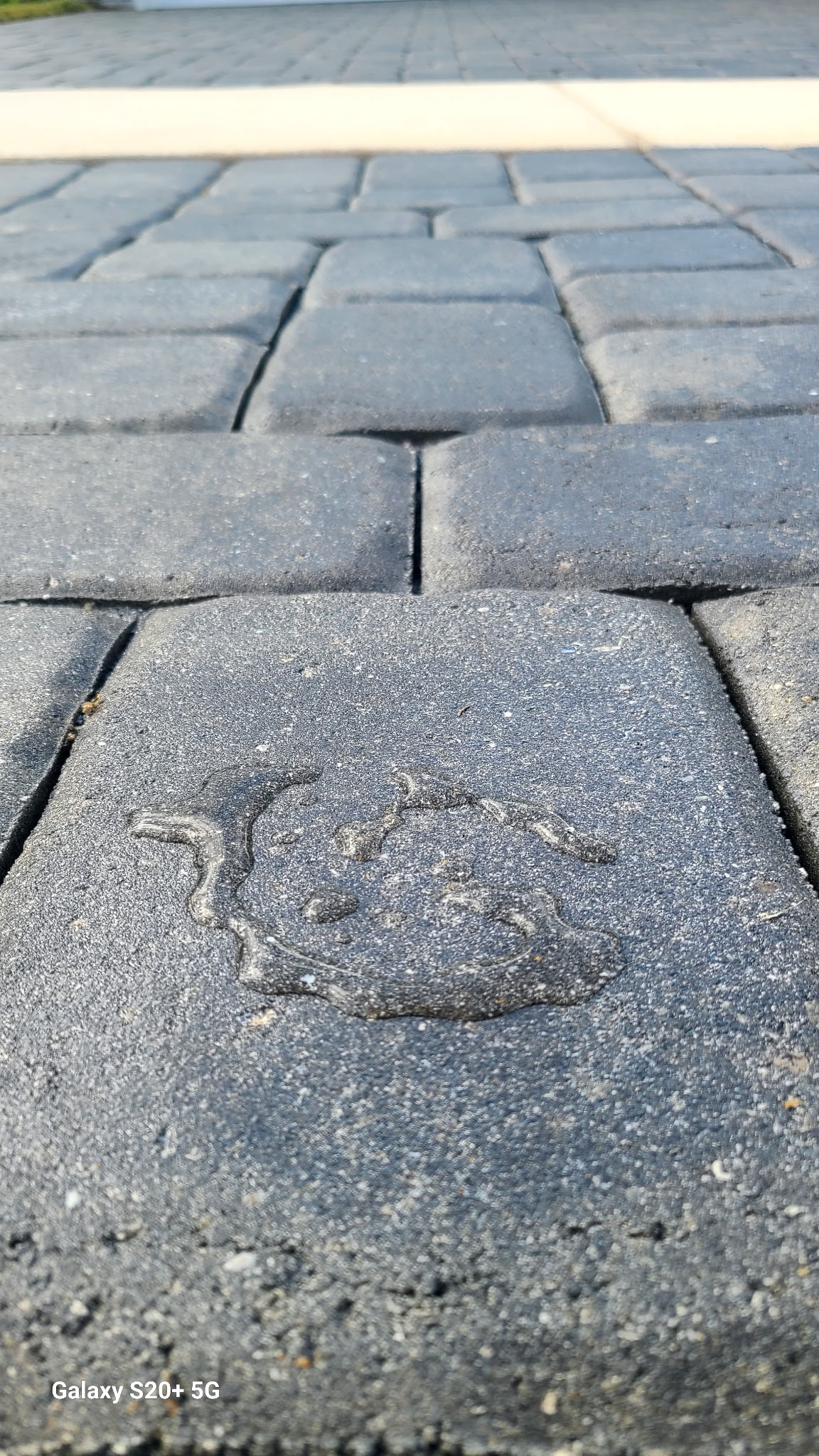
Paver sand often washes out after pressure washing because high-pressure water blasts loose sand from the joints between pavers. Once the sand is gone, the gaps let in weeds, ants, and water. The fix is to re-sand the joints with the right material and seal the pavers so the sand stays put.
Why the Sand Disappears
The joints between pavers hold sand that keeps the stones locked in place. Pressure washing pushes water straight into those joints. If the nozzle is too close or the pressure is too high, the water pulls sand out faster than it can settle back.
Loose sand is also easy to move. Heavy rain, sprinkler overspray, and foot traffic can all wash sand toward the low spots of a patio or driveway. Pressure washing simply speeds up a process that was already happening.
What Happens After the Sand Is Gone
Empty joints cause problems quickly. Here is what homeowners in Port St. Lucie often notice:
- Weeds sprouting between the pavers, especially in shaded or damp areas.
- Ants and other insects nesting under the stones.
- Pavers that rock or shift when you step on them.
- Water pooling in low spots because the joints no longer drain well.
- Dirt and algae settling into the open gaps.
Acting early keeps the damage small. A few missing joints are easy to fix. A patio with wide, empty joints may need more work to stabilize.
Check Before You Re-Sand
Before you add new sand, look at the pavers and the base underneath. Check for sunken areas, cracked stones, and any spots where the edge restraints have moved. If the pavers are shifting, the base may need attention before the joints are filled.
Also check the weeds. Pull them by the roots, and remove any grass or dirt that has built up in the gaps. Clean joints give the new material a better chance to lock in.
Choose the Right Joint Material
Many homeowners use regular play sand, but that is often a mistake for paver joints in Florida. Ordinary sand moves easily, and heavy rain can wash it out again. Polymeric sand is designed for paver joints. It contains a binding material that hardens when it is activated with water, which helps resist washout and keeps weeds and ants from getting into the joints.
Follow the manufacturer's directions closely. Product instructions cover how much to apply, how to sweep it in, how much water to use, and when the joints are ready. Ignoring those steps can leave haze on the pavers or sand that does not harden properly.
How to Re-Sand the Joints
Work in sections so the sand does not dry out before you finish. Sweep the polymeric sand across the pavers and push it deep into the joints. Use a stiff broom or a brush to make sure the joints are full from edge to edge.
Once the joints are full, sweep the pavers clean so no sand remains on the surface. Then mist the area lightly with water, following the product directions. Light misting helps the material set. Too much water can wash the sand out again, so avoid heavy spraying or pressure washing right after the job.
Why Sealing Helps
Sealing protects the pavers and locks the joints in place. A quality sealer helps stop sand from moving, slows weed growth, and makes the surface easier to clean. It also brings out color and gives the patio a finished look.
Timing matters. Most manufacturers recommend waiting before sealing so the polymeric sand can cure fully. Check that the sealer you choose is compatible with polymeric sand. Ask your cleaning company how they plan the sequence, so the joints are not disturbed while the material hardens.
Preventing Washout in the Future
You can protect the joints every time you clean. Use a wide fan tip and a lower pressure setting, and keep the wand moving. Hold the nozzle at an angle instead of pointing it straight down into the joints. Work from the edges toward the center, and avoid blasting the same spot over and over.
Also think about the timing of your cleaning. Schedule pressure washing when the sand has had time to settle. Right after a new installation, the joints are most vulnerable. Keep sprinklers from hitting the pavers directly, since repeated water flow can carry sand away over time.
Soft Washing and Delicate Surfaces
Some surfaces should never be cleaned with high pressure. Roofs, stucco, and older stone can be damaged by a harsh spray. Soft washing uses lower pressure and a cleaning solution to remove dirt, algae, and stains without blasting the surface. For paver areas near the home, ask whether soft washing or a gentler method is a better choice.
A good cleaning company should explain which method they plan to use and why. If they plan to use high pressure on your joints, ask how they will protect the sand.
Questions to Ask Before You Hire
Use these questions to plan the job and compare companies:
- What pressure setting and nozzle will you use on my pavers?
- Will you re-sand the joints after cleaning, or only clean the surface?
- What type of joint material do you recommend for my patio or driveway?
- How long should I wait before sealing, and what sealer do you use?
- Do you check the base for settling or shifting before you add sand?
- How do you protect nearby plants, screens, and the house from overspray?
Clear answers show a company that understands how paver joints work, not just how to make the surface look clean.
Plan Your Paver Cleaning in Port St. Lucie
JB Powerwash Services serves Port St. Lucie and St. Lucie County, and we work on paver cleaning and sealing for driveways, patios, and walkways. We offer free estimates, so you can talk through the condition of your pavers before any work begins. Bring photos of the joints and note any weeds, shifting stones, or areas that pool water.
If you want to learn more, read about our paver sealing services, or see our guide on paver sealing in Port St. Lucie.
Call JB Powerwash Services at 954-652-9551 to ask for a free estimate. Tell us what you have seen on your pavers, and we will help you decide the next step.
Frequently Asked Questions
Why does paver sand wash out when I pressure wash?
High-pressure water pushes into the joints and pulls loose sand out. A nozzle held too close or set to too high a pressure makes the problem worse.
Should I use regular play sand in paver joints?
Regular sand can move easily and wash out again in heavy rain. Polymeric sand is designed for paver joints because it hardens when activated with water and resists washout.
When should I seal pavers after re-sanding?
Wait until the polymeric sand has cured as the manufacturer directs. Check that the sealer you choose is compatible with the sand you used.
Can I get a free estimate for paver cleaning?
Yes. JB Powerwash Services offers free estimates. Call 954-652-9551 to talk through your pavers and the condition of the joints.