Mildew on a garage door or stucco wall usually shows up as dark, greenish, or gray spots on shaded areas. Florida humidity and rain make it grow quickly. Mildew can often be removed with a gentle soft wash. Pressure washing at high force can damage the surface, so know the difference before you start.
How to Tell Mildew From Dirt
Dirt usually looks like a layer that sits on top of the surface. It may be dusty, muddy, or streaky, and rain or a hose can often knock some of it away. Mildew looks different. It often forms flat, fuzzy, or speckled spots. The color ranges from black and gray to green. It may spread in patches that look like freckles across the wall or door.
Try a simple test. Wet a small area with water and rub it lightly with a soft brush. If the spot lifts or fades, it was likely dirt. If the spot stays put, it is probably mildew, algae, or another growth that needs a cleaning solution.
Why Shady Sides Get It First
Mildew loves moisture, shade, and little sunlight. The north and east sides of a home tend to stay damp longer after rain and morning dew. A garage door that faces a tree line or a fence may also stay wet for long periods. Stucco that sits close to the ground can hold moisture from splashing rain and sprinklers. Spots often show up where water sits or runs slowly down the wall.
Look for patterns. If the mildew only appears on one side of the house, sun exposure and airflow are often the cause. Trim back plants and shrubs that block the breeze. Clear leaves and debris from the base of the wall. Moving a sprinkler head that hits the stucco can also help.
Garage Doors Need Gentle Care
Garage doors come in steel, aluminum, wood, and composite materials. Each one handles cleaning a little differently. Steel and aluminum doors often have a painted finish. High pressure can strip that paint, leave marks, or push water into seams and panel edges. Wood doors can soak up water and swell, which may cause cracks or peeling later.
A soft wash with a cleaning solution is usually a better choice. The solution lifts mildew from the surface, and a low-pressure rinse removes it. Work from the bottom of the door upward to avoid streaks. Rinse all the soap away, since leftover residue can attract dirt. Check the door tracks and weather seals after the cleaning too, because they often collect growth in damp areas.
Stucco Needs a Careful Touch
Stucco is a textured, porous material. It holds water well, which is part of why mildew can take hold in shaded corners. The same texture makes stucco easy to damage with high pressure. A strong spray can wear away the surface, remove the finish, and expose the base layer. Once that happens, water can get in more easily.
For stucco, use a soft wash method. Wet the wall with clean water first. Apply a suitable cleaning solution from the bottom up, let it sit for a short time, and then rinse with low pressure. Repeat on stubborn spots. Patience gives better results than force. If the stucco has cracks, loose areas, or flaking paint, make repairs before cleaning so water does not get into the damage.
Protect Plants and Surfaces
Cleaning solutions can harm plants, grass, and nearby surfaces if they are not handled with care. Wet down the plants before you start, and rinse them again when the job is done. Cover outdoor lights and electrical outlets. Keep the solution off windows, painted trim, and metal parts when you can. Pick a cool part of the day, since heat can dry the solution before it works.
Safety Tips for Homeowners
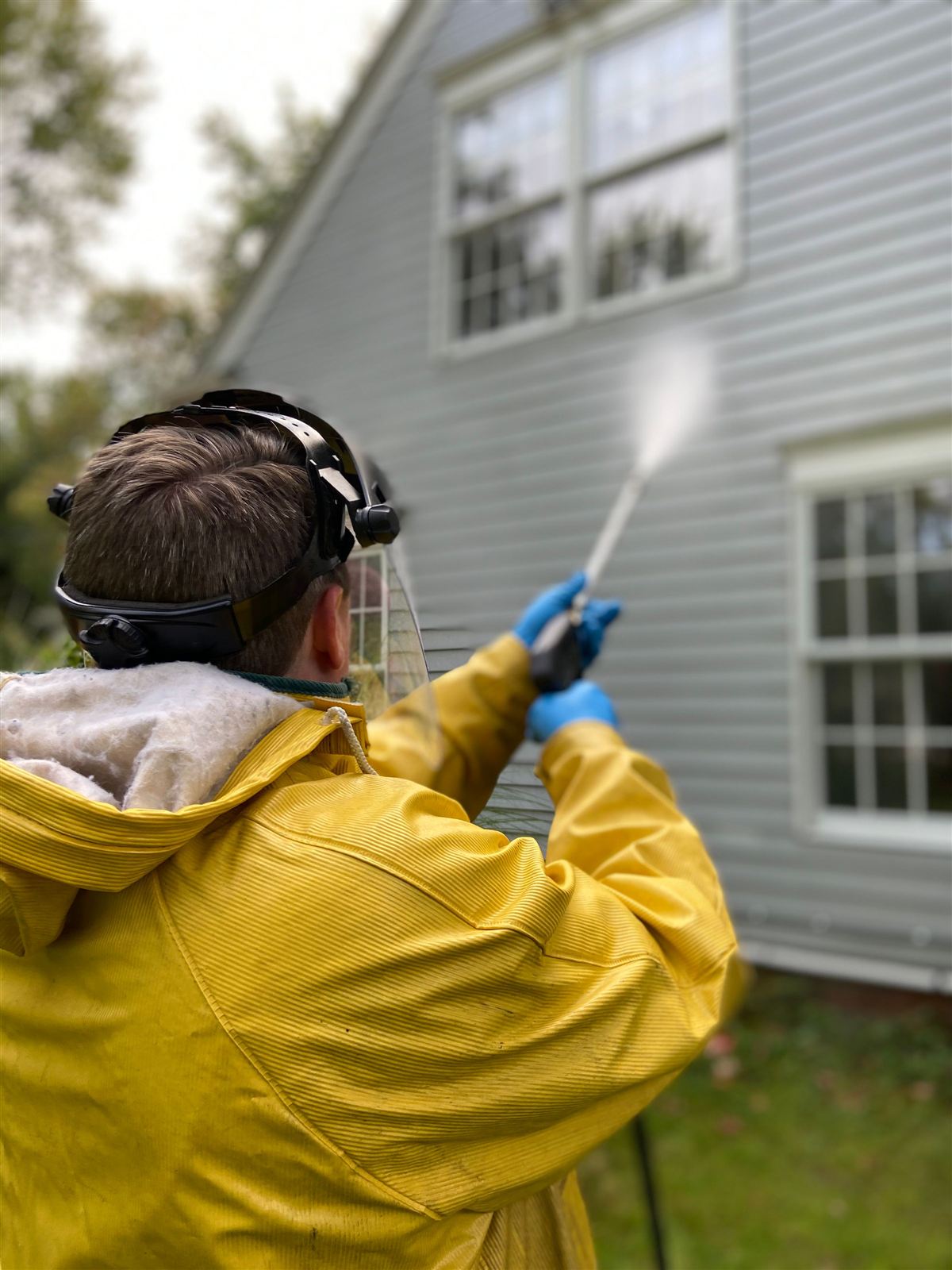
If you plan to clean yourself, wear eye protection and gloves. Use a sturdy ladder on flat, solid ground, and never stand on the top rung. Keep children and pets away from the work area and from the runoff. Never mix cleaning products together. If a job involves a tall wall, a steep roof, or a large area, a professional crew has the tools and training to do it safely.
Plan Your Cleaning Schedule
Mildew tends to return in humid months, so plan regular cleaning. Many Florida homes benefit from a wash once or twice a year, with extra attention on shady sides. Early cleaning is easier than a big job later. Keep an eye on gutters, downspouts, and sprinkler spray too. A quick check after each rainy season helps you catch new spots early.
Local Exterior Cleaning on the Treasure Coast
JB Powerwash Services is based in Port St. Lucie, FL. We serve Port St. Lucie, Tradition, St. Lucie West, Fort Pierce, Stuart, Palm City, and Jensen Beach. Our soft washing service works well for garage doors, stucco walls, roofs, and other delicate surfaces. We also offer driveway cleaning, paver cleaning, and pool cage cleaning.
To see our house washing work, visit our house washing page. If you live in Palm City, you can also read about our pressure washing services in Palm City.
Tired of dark spots on your garage door or stucco? Call JB Powerwash Services at 954-652-9551 for a free estimate. We will look at the surface, explain the best cleaning method, and give you a clear plan for the job.
Frequently Asked Questions
How do I know if the spots on my stucco are mildew or dirt?
Dirt often wipes or rinses away. Mildew tends to stay put and looks flat, fuzzy, or speckled. A soft brush and a little water can help you tell the difference.
Can I pressure wash a stucco wall?
High pressure can damage stucco and remove its finish. A soft wash with a cleaning solution and low-pressure rinse is usually the safer choice.
Why does mildew keep coming back on my garage door?
The door may stay damp in shade or near plants. Improving airflow, clearing debris, and cleaning on a regular schedule can help slow the return of mildew.
Will cleaning mildew harm my plants?
It can, if the solution is not handled with care. Wet the plants before the job, cover sensitive areas, and rinse them again when the work is done.