Most Florida homes need a house wash on a regular cycle, not just when they look bad. The right timing depends on shade, nearby water, sprinkler spray, and how much rain and humidity your neighborhood gets. Watch the signs on your home, and plan a wash before dirt, mildew, and grime build up into a bigger job.
Why Florida Homes Get Dirty Faster
Florida has long stretches of heat, humidity, and rain. Those conditions are good for plants, and they are good for mold, mildew, and algae too. Dark streaks often show up on the north and shady sides of a home first. Pollen season adds a yellow or green film, and dust from sandy soil settles on every surface.
Left alone, that buildup can hold moisture against siding, stucco, pavers, and screens. A regular wash removes the grime before it can cause more wear.
Shady Sides Need More Attention
The shady side of a home rarely gets sun to dry it out. Moisture stays on the surface longer, and mildew grows there quickly. If your home sits under large trees, the north and east walls often need the most attention. Many owners notice the dark streaks on these sides long before the sunny faces look dirty.
Look at your home from the street and from the back yard. Shade patterns are easy to spot, and they tell you where the wash should focus.
Lake and Canal Homes Pick Up More Grime
Homes near lakes and canals deal with extra moisture and extra grime. Water near the house can bring algae, dust, and humidity right to the walls. Boat wakes can splash spray onto lower walls and screen enclosures. Many owners on the water notice a green or gray film sooner than their neighbors inland.
If your home sits on a waterfront lot, plan for more frequent attention to the lower walls, pool cages, and patios. A short check every few months can help you catch growth early.
Sprinkler Overspray Leaves Its Mark
Sprinklers can do more harm than most owners expect. When spray hits the siding, stucco, or windows, it leaves minerals behind. Those minerals dry into white or brown spots, and they can build up over time. Sprinklers that aim at the walkway or the front of the house are a common source of trouble.
Adjust your sprinkler heads so they water the lawn and not the house. Check after each cycle, and ask your washing team how to handle any mineral marks already on the surface.
Signs It Is Time for a Wash
You do not need a calendar to know when your home needs a wash. Look for these signs. Dark streaks run down from the roof edge. Green, black, or gray film covers the siding. Pavers and walkways look slick or stained. Screens and window frames look dull. Pool cages and patios collect algae along the bottom.
If you see any of these, schedule a wash soon. Waiting until the whole house looks dirty can make the job take longer and cost more time to fix.
Soft Washing Protects Delicate Surfaces
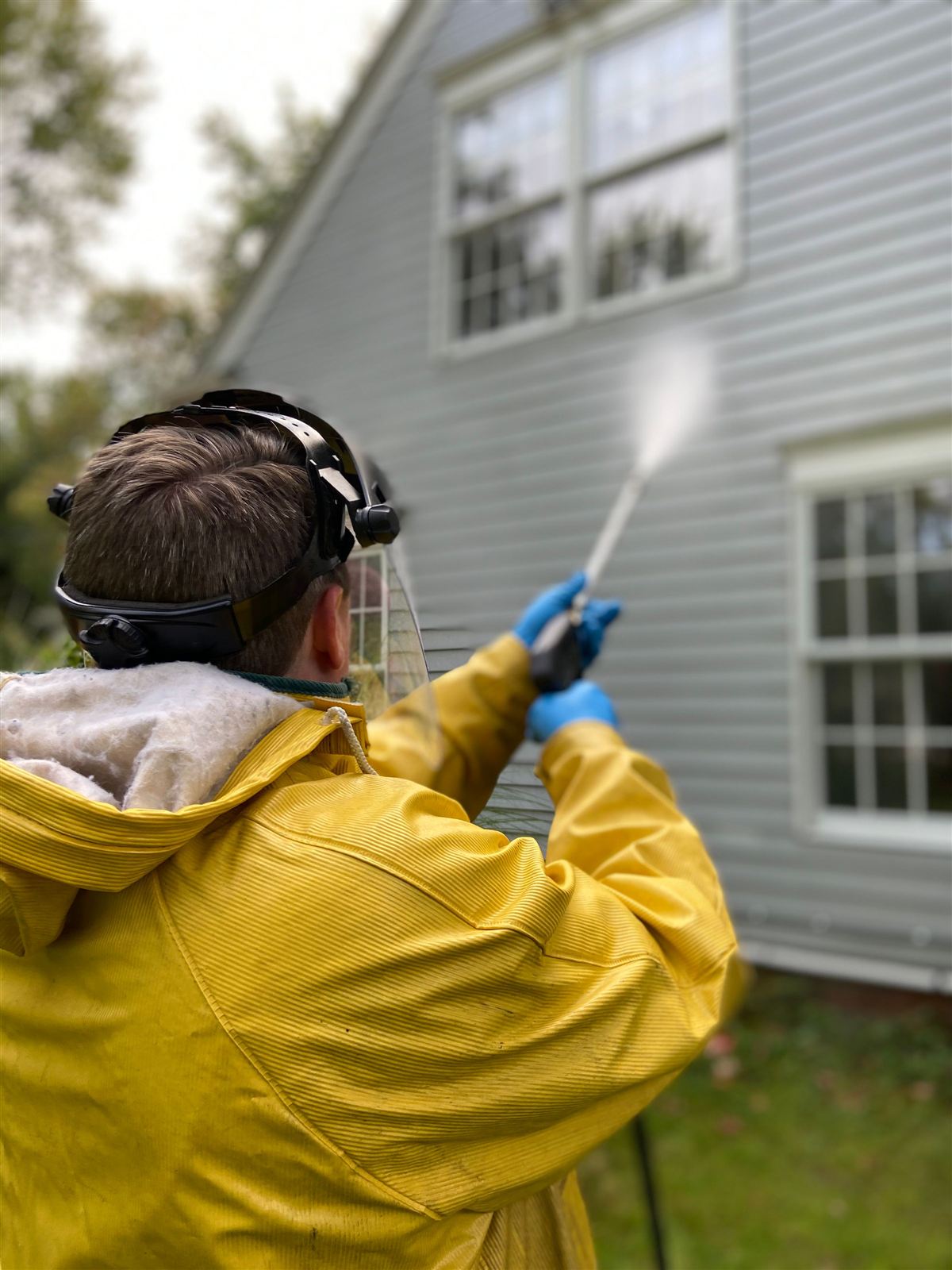
Not every surface should be cleaned the same way. High pressure can damage roofs, stucco, painted wood, and older siding. Soft washing uses a gentler approach, with cleaning solutions and low pressure to lift grime and mildew without harsh force. It is a better fit for many Florida homes, especially roofs and delicate surfaces.
Ask any washing company how they plan to clean your roof, siding, and windows. A clear plan shows care. A company that only talks about pressure may not be the right fit for your home.
Plan a Schedule That Fits Your Home
A good plan starts with a look at your home. Note the shady sides, the lake or canal exposure, the sprinkler layout, and any surfaces that need gentle care. Then set a wash rhythm that matches what you see. Some homes need attention more often than others. Your rhythm can change with the seasons, too, especially after heavy pollen or rainy stretches.
Keep a simple log of when each wash happens and what you noticed. Over time, the log will show you the right timing for your house.
What to Expect From a Washing Visit
A good visit begins with a walk around the property. The team should look at the siding, roof, windows, screens, driveway, and walkways. They should explain what they plan to clean, how they will protect plants and landscaping, and how they will handle sensitive surfaces. You should understand the plan before any work begins.
Ask about the cleaning products, how runoff is handled, and how long the work will take. Clear answers help you feel confident about the visit.
Washing Across St. Lucie County
We serve Port St. Lucie and St. Lucie County, including Tradition, St. Lucie West, Fort Pierce, Stuart, Palm City, and Jensen Beach. Each neighborhood has its own mix of shade, water, and landscaping. We can look at your home and tell you what it needs. For more about our house washing services, visit our house washing page.
Get Your Home Ready
Florida homes need regular care. Watch for shady-side streaks, water-side film, sprinkler spots, and the dull look of neglected surfaces. Plan a wash before the grime settles in, and choose a team that treats your roof and siding with care.
Ready to plan your next house wash? Call JB Powerwash Services at 954-652-9551 for a free estimate. We will walk the property with you, explain what your home needs, and build a schedule that works for you. You can also see our pressure washing service for patios, walkways, and driveways.
Frequently Asked Questions
How often should I wash my house in Florida?
There is no single rule. Shady sides, lake and canal exposure, sprinkler spray, and seasonal pollen all change the timing. Watch for streaks, film, and mineral spots, and schedule a wash when you see them.
Does pressure washing damage siding?
It can, if the pressure is too high for the surface. Roofs, stucco, painted wood, and older siding need a gentler approach. Ask your washing team how they clean delicate surfaces.
Why do sprinklers leave white spots on my house?
Sprinkler spray carries minerals. When the water dries on siding, stucco, or glass, those minerals leave white or brown marks. Adjust the heads so they water the lawn, not the walls.