An HOA letter about roof streaking or dull siding usually points to algae buildup, not a repair problem — and it's almost always fixable with a soft wash rather than a roof replacement. The key steps are reading your notice for the exact deadline, getting the roof or exterior soft washed rather than pressure washed, and keeping dated before-and-after photos as proof for the board.
What Are HOAs Actually Looking For?
Most community associations write "clean, well-maintained exterior" into their standards to protect curb appeal across the whole neighborhood, and Port St. Lucie's HOA-dense communities enforce it fairly consistently. In practice, that means a board is scanning for dark streaking running down a shingle roof, a dull or hazy cast to siding or stucco, and noticeable staining on driveways or walkways — the kinds of things a passing neighbor or a board member's drive-by inspection would actually notice.
These letters aren't usually personal or targeted. Because Florida's humidity and rainy season push algae and mildew growth faster than drier climates, entire streets in the same community can develop similar staining around the same time, and boards often send a batch of notices during seasonal inspections rather than picking out one property. If a neighbor mentions getting a similar letter around the same time, that's a normal pattern, not a coincidence worth worrying about.
How Much Time Do You Typically Get to Fix an HOA Violation?
Every community's process is a little different, but most notices give homeowners a window — often a couple of weeks to a month — before the issue escalates to a fine or a second notice. The date on your specific letter is the only number that matters here; general timelines are a starting point, not a guarantee. If the letter isn't clear on the deadline, calling the management company directly is worth the five minutes.
What Documentation Satisfies an HOA Board?
Most boards want to see that the issue is actually resolved, not just take your word for it. Dated before-and-after photos of the roof or siding are usually enough, and holding onto a service receipt or invoice with the date on it gives you a paper trail if the HOA follows up or the violation is ever disputed later.
Is a Dirty Roof Always a Cleaning Issue?
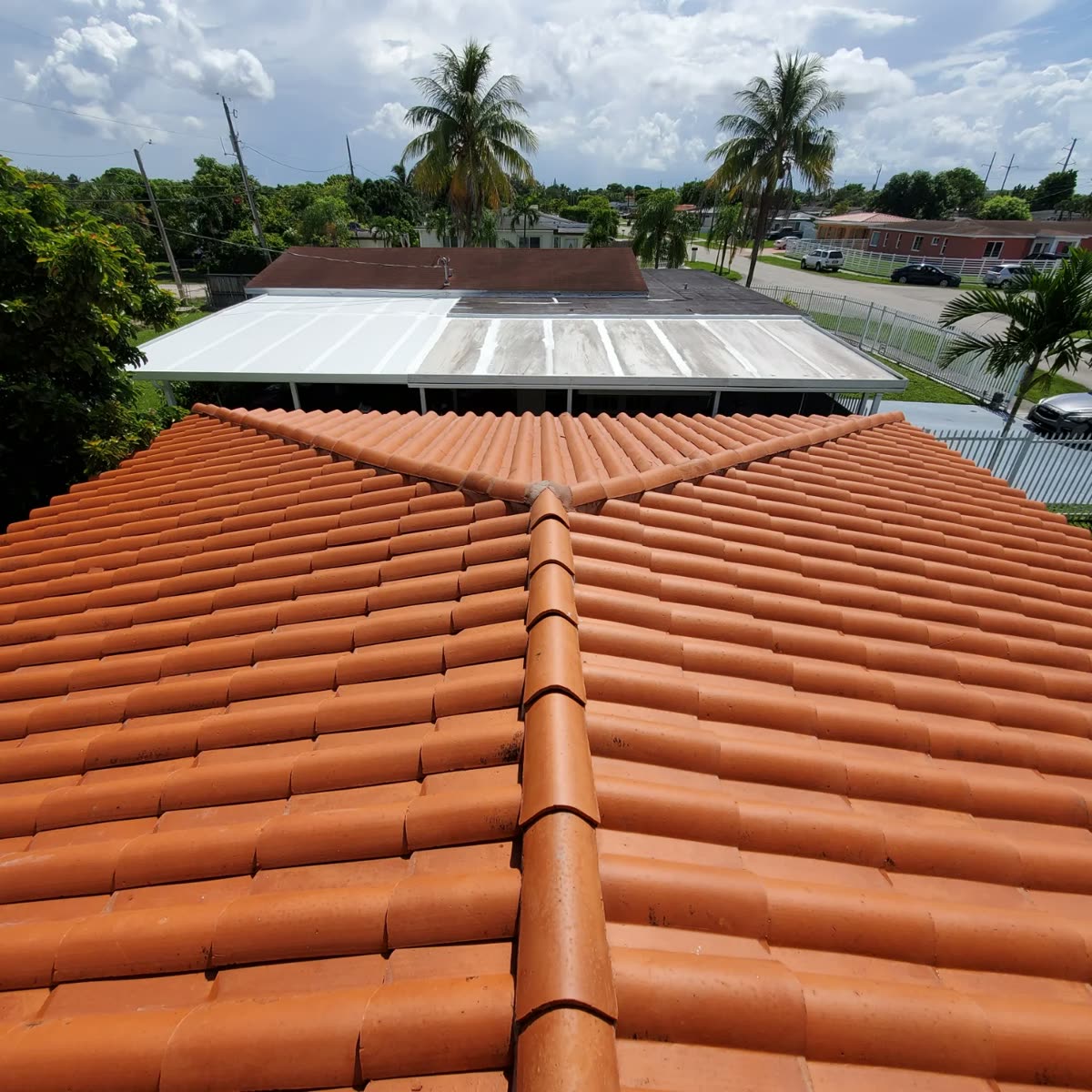
Almost always, yes. The dark streaking that triggers most of these letters is Gloeocapsa magma, a wind-borne algae that's extremely common on Florida shingle roofs and has nothing to do with the roof's structural condition — we cover why it happens in our soft wash roof cleaning guide. That said, if your notice mentions missing shingles, sagging, or visible physical damage rather than just discoloration, that's a separate roofing concern worth having looked at alongside the cleaning, not instead of it.
It's worth reading your specific notice closely rather than assuming. Some letters are worded generically ("exterior maintenance required") while others call out the exact issue ("roof discoloration" versus "roof damage"). If the wording is vague, a quick call to the property manager to ask what triggered the notice saves you from cleaning something that didn't actually need it, or from missing a repair issue that cleaning alone won't fix.
Why Soft Washing Clears the Violation Without Creating a New Problem
The fastest way to make an HOA violation worse is to have the roof pressure washed instead of soft washed — high pressure on shingles strips protective granules and can force water under the shingle line, sometimes voiding a roofing manufacturer's warranty in the process. A low-pressure soft wash roof cleaning breaks down the algae at the source with a cleaning solution instead of force, which clears the streaking the HOA flagged without putting the roof itself at risk. The same logic applies to siding: house washing uses the same low-pressure approach to lift mildew and dirt film from stucco and siding without damaging paint or trim.
How to Avoid Getting the Next Letter
Once a violation is cleared, the same conditions that caused it — shade, humidity, coastal exposure — are still there, so the streaking and dullness will eventually come back on their own timeline. Rather than waiting for the next notice, a periodic visual check of the roof and siding catches buildup while it's still light, before it's visible enough to trigger another letter. Our seasonal cleaning guide walks through what actually drives that timeline property by property, since it's rarely the same interval for every home in a community.
What We Recommend
Read your notice for the exact deadline first, since that's the number that actually matters. If the issue is roof streaking or dull siding, book a soft wash rather than a standard pressure wash — it's the safer method for those surfaces and it's what satisfies most HOA standards. Take your own dated photos before and after the cleaning, and hang onto the invoice. If your notice mentions anything beyond discoloration — damage, sagging, missing material — get that looked at separately before or alongside the cleaning. And if a driveway or walkway was also flagged, the same "clean now, watch for it going forward" approach applies there too, using pressure washing instead of soft washing since concrete can handle the higher pressure that lifts embedded staining.
JB Powerwash Services handles roof cleaning and house washing for homes across Port St. Lucie and St. Lucie County — call for a free estimate and we'll give you a straightforward read on what your property needs before your deadline.